If you want a strong sale in Long Beach, preparation matters more than ever. Buyers still move when the right home hits the market, but they also have enough choices to notice chipped paint, deferred maintenance, cluttered rooms, and missing paperwork. The good news is that you usually do not need a full remodel to make a better impression. You need a smart plan that helps your home show well, feel cared for, and launch cleanly. Let’s dive in.
Why prep matters in Long Beach
Long Beach remains an active market, but it is not especially forgiving of visible flaws. In February 2026, single-family homes posted a median sales price of $970,000, spent about 44 days on market, and sold at 98.5% of original list price received, with 2.2 months of supply. Realtor.com’s March 2026 snapshot also showed inventory up 13.4% year over year, which means buyers have more options than they did before.
That shift changes how sellers should think about pre-listing work. Instead of hoping buyers will overlook condition issues, your goal is to remove hesitation early. That matters even more because NAR’s 2025 Remodeling Impact Report found that 46% of buyers were less willing to compromise on home condition than they had been previously.
Focus on what buyers see first
First impressions carry real weight, especially online. NAR’s 2025 staging study found that the most common seller prep steps were decluttering the home, cleaning the entire home, and improving curb appeal. Agents in that same report also said professional photos were especially important.
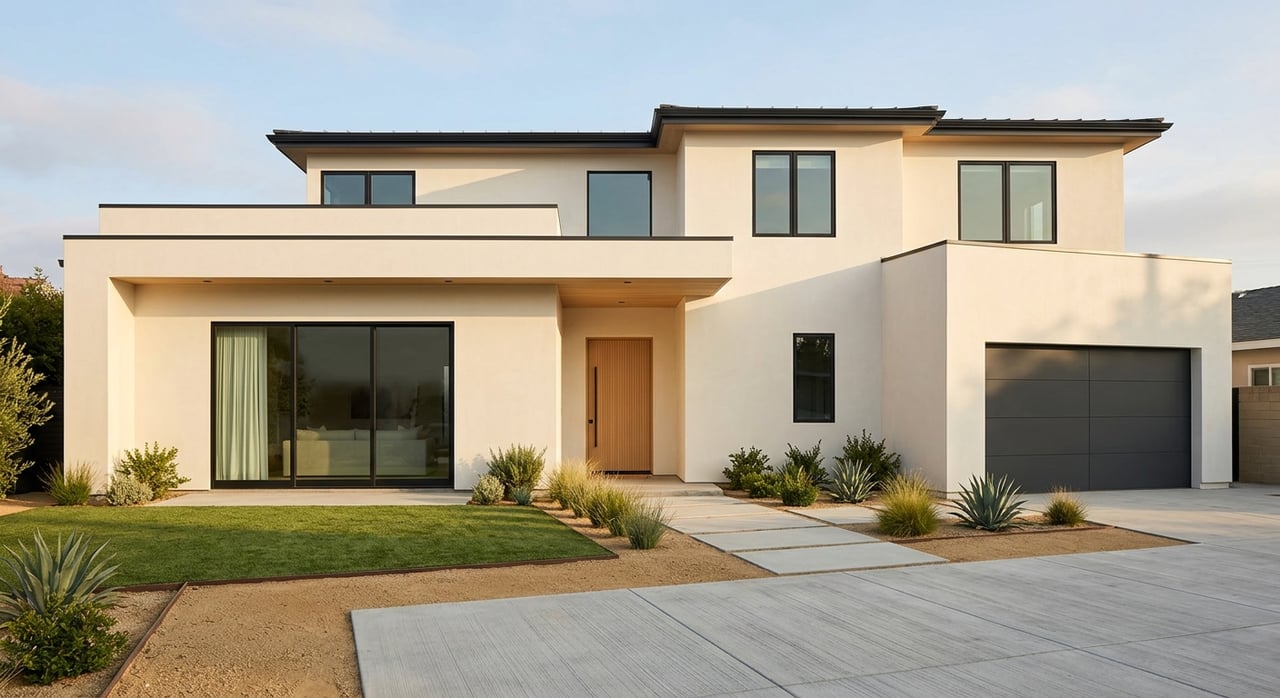
For most Long Beach sellers, that means your first dollars should go toward visibility and presentation. Buyers often form an opinion before they ever step inside, so the front entry, exterior paint, landscaping, and overall maintenance level can shape the rest of the showing.
Start with curb appeal
If your exterior looks tired, buyers may assume the rest of the property has been maintained the same way. That does not mean you need a dramatic renovation. It usually means cleaning up what is already there and fixing items that signal neglect.
Prioritize simple, visible improvements like these:
- Pressure washing or washing down exterior surfaces
- Touch-up paint on trim, fascia, doors, and railings
- Rust cleanup on metal elements
- Tightening loose trim or hardware
- Refreshing sealants where wear is visible
- Cleaning gutters and checking drainage paths
- Tidying landscaping and removing dead plants
- Improving the front entry with a cleaner, brighter look
National resale data supports this approach. Zonda’s 2025 Cost vs. Value Report found that exterior replacement projects produced some of the strongest returns, including garage door replacement, steel entry door replacement, and siding-related improvements.
Long Beach’s coastal climate adds pressure
Long Beach’s coastal setting can make wear show up faster. City planning documents identify coastal hazards, storm surge, flooding, and climate-related impacts as local concerns, and in practical terms that often means exterior paint, metal fixtures, trim, gutters, and sealants can show aging sooner than inland homes.
Before listing, it is worth walking your property with fresh eyes. Look for corrosion, peeling paint, cracked caulk, water staining, loose trim, and anything else that could read as deferred maintenance. These are often smaller fixes, but they can make a big difference in how buyers judge the home.
Keep interior updates simple and strategic
Inside the home, the best prep work is usually clean, neutral, and easy to understand. NAR’s remodeling report says REALTORS® most often recommend painting the entire home, painting one room, and improving roofing before listing. The same report also notes strong demand for kitchen upgrades, roofing, and bathroom renovations.
That does not automatically mean you should start a major project. For most sellers, a modest refresh is easier to justify than a full redesign right before the home goes on the market.
Prioritize low-drama improvements
The goal is to make your home feel move-in ready, not personalized to your taste. Buyers tend to respond better to homes that feel clean, bright, and well maintained than to costly updates that only some people will value.
A practical interior checklist often includes:
- Full interior cleaning
- Decluttering room by room
- Neutral paint where walls feel dated or worn
- Minor kitchen refreshes, such as hardware or lighting updates if needed
- Bathroom touch-ups, including caulk, fixtures, mirrors, or paint
- Repairing obvious damage like cracked tiles, scuffed walls, or loose handles
- Addressing roofing concerns if there are visible signs of wear or known issues
Zonda’s national data suggests that large discretionary interior remodels often do not outperform more practical exterior work at resale. Unless your home’s condition clearly calls for major renovation, smaller updates are usually the better first move.
Decluttering, staging, and photos matter
A well-prepared home does more than look nice in person. It also performs better online, where many buyers see it first. NAR’s 2025 staging report found that staging helped buyers visualize a property as a future home, and 31% of buyers’ agents said buyers were more willing to walk through a home they had seen online.
That is why decluttering and staging are not just cosmetic choices. They help your home read clearly in photos, video, virtual tours, and in-person showings.
Where staging has the most impact
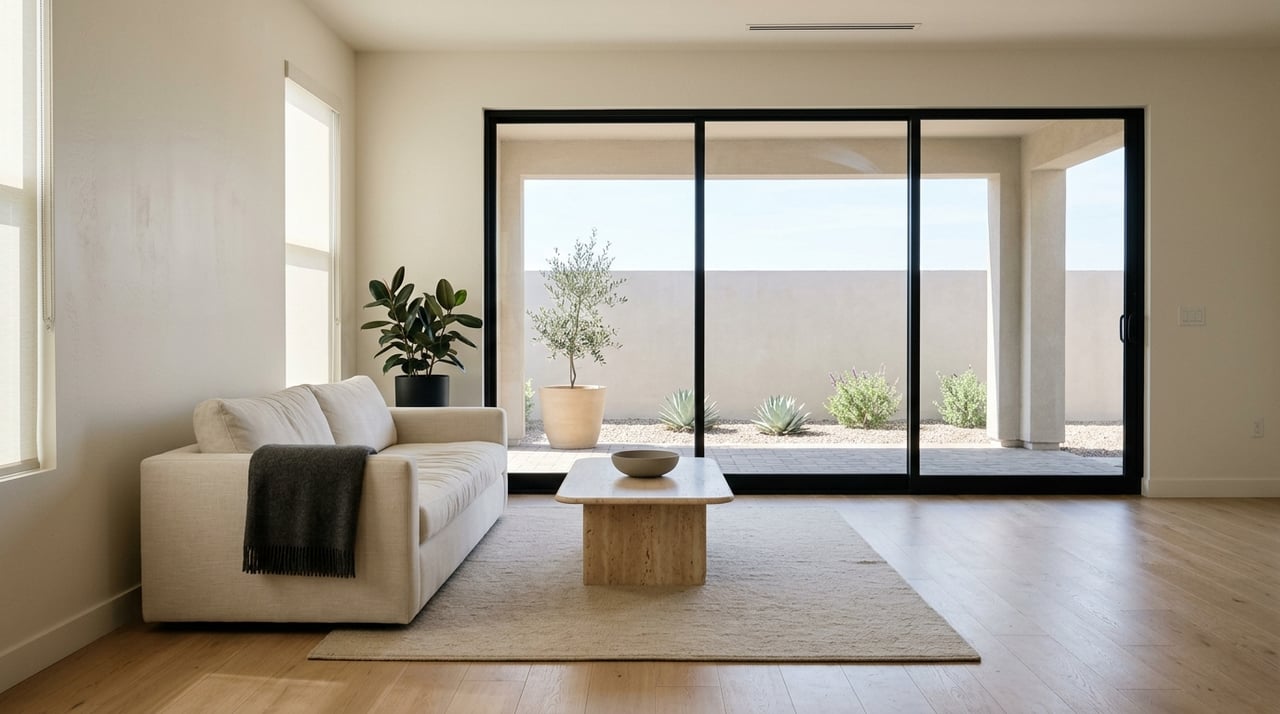
If you do not want to stage every room, focus on the spaces buyers tend to notice first. According to NAR’s 2025 staging report, the rooms staged most often were the living room, primary bedroom, dining room, and kitchen.
Those spaces usually give you the best return on attention because they help buyers understand how the home lives. Even light staging can help define a room, improve flow, and make the home feel more spacious.
Prep before the camera shows up
Photos should happen after the work is done, not during the process. If your home is still waiting on repairs, paint touch-ups, or deep cleaning, listing media can lock in a weaker first impression.
In a market where buyers have choices, your launch needs to feel polished from day one. Finishing prep before photos and before the listing goes live is often one of the simplest ways to improve your chances of a stronger response.
Check permits and records early
In Long Beach, paperwork is part of preparation. The City of Long Beach says many construction activities, alterations, replacements, and repair jobs in dwellings require permits and inspections. The city also offers permit-history lookups by address, and additional requirements may apply in historic districts and coastal zones.
That makes permit review a smart pre-listing step, especially if your home has had updates over time. If you wait until a buyer starts asking questions, you may lose time or negotiating power.
Gather documents before listing
Try to organize your records early so you are not scrambling later. Depending on your home, that may include:
- Permit history
- Invoices or records for repairs and upgrades
- Roofing or system replacement records
- Disclosure-related paperwork
- Records tied to older improvements or additions
Having a cleaner file can make your sale feel more credible and more manageable for everyone involved.
Know the key disclosures
California sellers complete a Transfer Disclosure Statement that covers the physical condition of the property and known defects or hazards. Natural Hazard Disclosure requirements also apply to mapped hazard areas, and federal law requires lead-based paint disclosure for most homes built before 1978.
If your Long Beach home is older, has had several rounds of updates, or may fall within areas affected by local hazard mapping, it is wise to gather what you need well before launch. Preparation on the front end can help reduce delays once you are under contract.
Build a smart prep timeline
Because Long Beach inventory is higher than it was a year ago and median market time is running around 44 to 46 days, a stronger sale often starts with better sequencing. You want the home fully ready before buyers ever see it online.
A clean pre-listing timeline usually looks like this:
- Walk the property and identify visible repair issues
- Check permit history and organize records
- Complete exterior maintenance and interior touch-ups
- Deep clean and declutter the home
- Stage key rooms if needed
- Schedule photos and listing media only after prep is complete
- Launch with pricing and presentation aligned
Long Beach’s mild climate helps because you do not need to wait for a narrow seasonal window. Still, coastal wear and local permit and disclosure issues make it especially important to front-load the work.
Spend where it helps your sale
The biggest mistake many sellers make is spending too much in the wrong places. A strong pre-sale plan is not about doing everything. It is about choosing the work most likely to improve presentation, reduce buyer concern, and support your pricing strategy.
For many Long Beach homes, that means visible exterior maintenance, a clean and neutral interior, organized records, and a polished marketing launch. When those pieces come together, your home is more likely to feel well cared for and worth serious consideration.
A customized plan can help you decide what to fix, what to leave alone, and how to time each step without over-improving. If you want a neighborhood-focused strategy for preparing your Long Beach home for market, connect with Timothy Hoard for a consultation.
FAQs
What repairs matter most before selling a Long Beach home?
- The highest-priority repairs are usually visible items that affect first impressions, such as exterior paint touch-ups, rust cleanup, trim or sealant fixes, drainage and gutter maintenance, decluttering, deep cleaning, and obvious interior cosmetic repairs.
Is staging worth it for a Long Beach home sale?
- NAR’s 2025 staging study suggests staging can help with both perceived value and time on market, especially when combined with decluttering, cleaning, and strong listing photos.
Should you remodel a kitchen before selling a Long Beach house?
- Usually, a modest refresh is more practical than a full remodel unless the home’s condition clearly requires major work, since national resale data favors strategic updates over large discretionary interior projects.
Why should Long Beach sellers check permit history before listing?
- The City of Long Beach notes that many alterations, replacements, and repair jobs require permits and inspections, so checking permit history early can help you address questions before they affect your sale.
What disclosures should sellers prepare for a Long Beach home sale?
- Sellers should be ready for the California Transfer Disclosure Statement, any applicable Natural Hazard Disclosure requirements, and lead-based paint disclosure if the home was built before 1978.