Wondering whether Garden Grove’s established areas feel more like a practical suburban base or an older neighborhood with character? The answer is a bit of both. If you are looking for a place with mature housing, everyday convenience, and a lived-in feel instead of a brand-new master-planned look, these parts of Garden Grove deserve a closer look. Let’s dive in.
Established areas feel settled
Garden Grove is a compact Orange County city with about 172,361 residents in 2024 across 17.8 square miles. The city says it is less than one mile from Disneyland Resort, about 12 miles from local beaches, and around 30 miles from Downtown Los Angeles. That central location shapes daily life and gives many established areas a grounded, neighborhood-based feel.
These neighborhoods are not defined by shiny new construction. They are defined by homes, parks, shopping corridors, and streets that have grown over time. For many buyers, that creates a sense of familiarity and stability that can be hard to find in newer communities.
Housing stock is older and varied
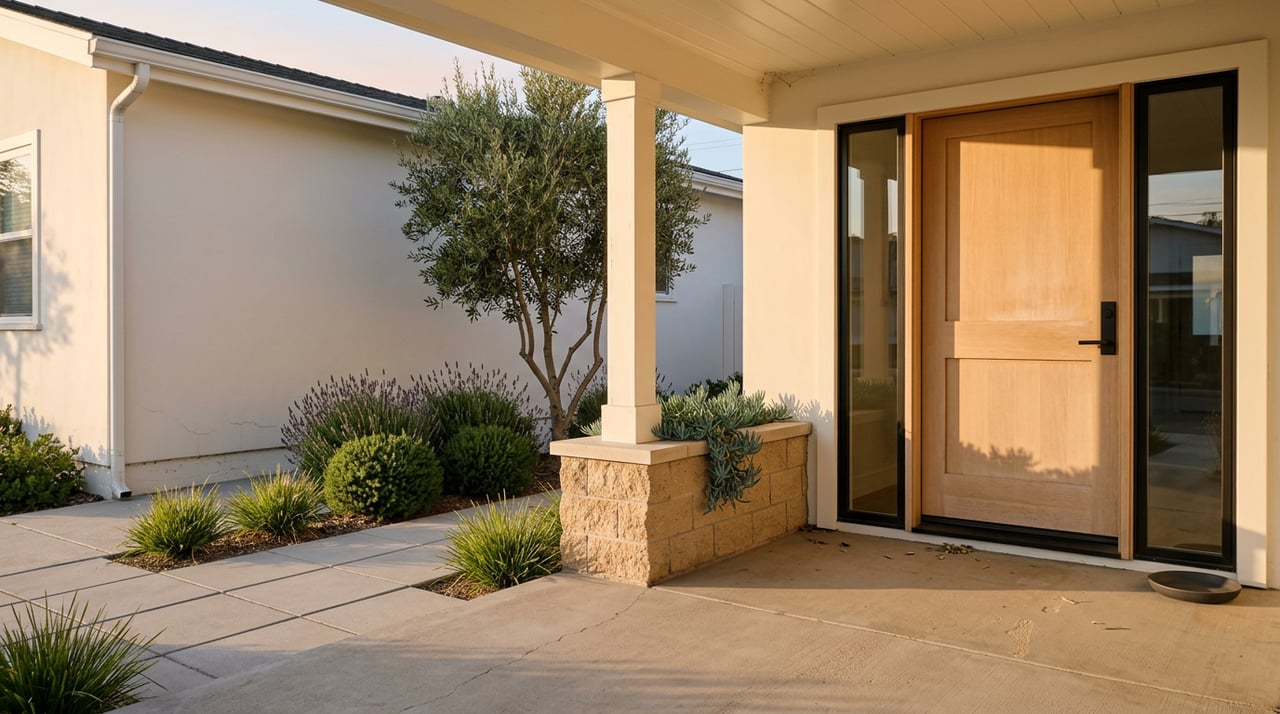
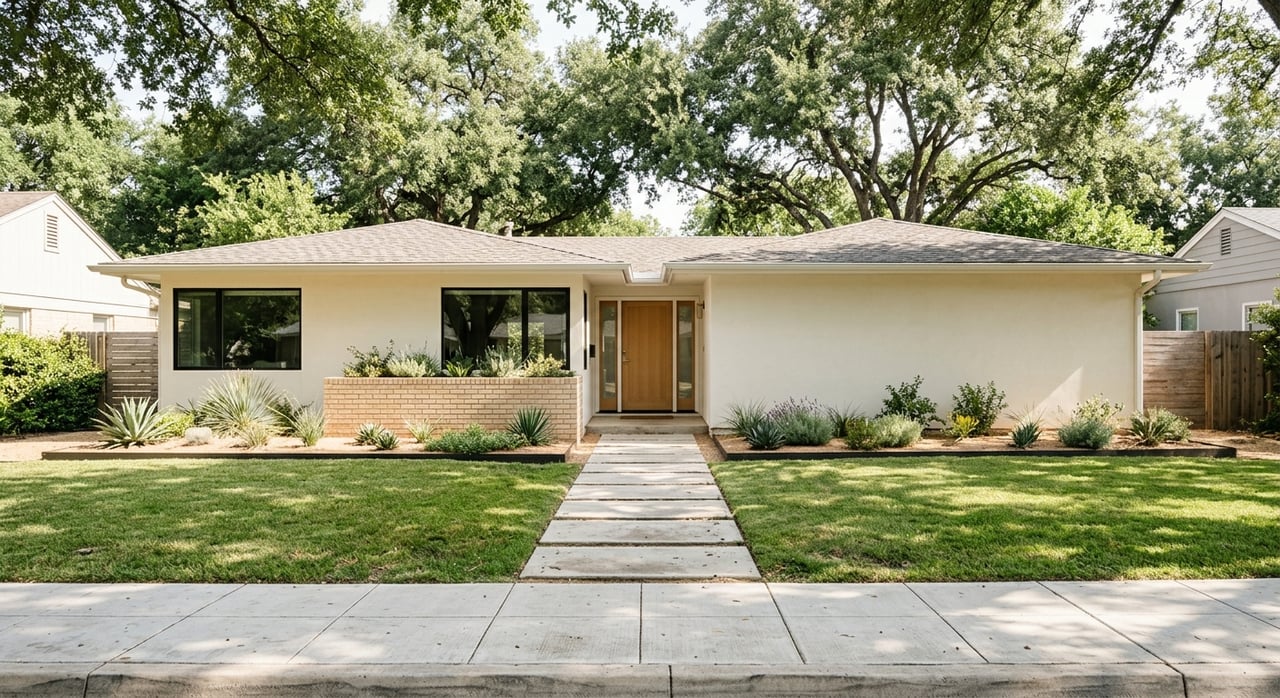
If you tour established areas in Garden Grove, you will notice that older homes are a major part of the landscape. SCAG reports that 65.5% of the city’s housing stock is single-family detached, and 63.6% was built before 1970. The city’s housing element also reports a median year built of 1964 and says about 82% of housing units were built before 1979.
That age often translates into a classic postwar suburban setting. You are more likely to see older tract patterns and homes that have been updated in different ways over the years rather than one uniform design style. In everyday terms, it can feel more personal and less cookie-cutter.
Older homes often mean upkeep
The tradeoff for character is maintenance. The city notes that homes over 30 years old often need major rehabilitation, including roofs, foundations, or plumbing. If you are considering one of these areas, it helps to go in with clear expectations about repairs, updates, and long-term care.
That does not mean every home is a project. It does mean you should pay close attention to condition, past remodeling, and big-ticket systems. Buyers who are comfortable weighing charm against upkeep may find strong value in these established neighborhoods.
The city feels lived in, not in transition
Garden Grove’s established areas generally feel settled rather than constantly changing. QuickFacts lists an owner-occupied housing rate of 53.1%, and 92.5% of residents lived in the same house one year earlier. Those numbers suggest a residential base where many people stay put.
For you as a buyer, that can matter. A more stable pattern often means you are moving into an area where the day-to-day rhythm is already established. You may notice long-standing routines, repeat local businesses, and neighborhoods that feel well used rather than newly forming.
Daily life is convenience-driven
One of the biggest draws of Garden Grove’s established areas is how practical daily life can feel. Instead of relying on one polished downtown, the city’s lifestyle is spread across several corridors and districts. That can make errands, dining, and casual outings feel more woven into everyday routines.
The city manager highlights access to restaurants, shopping areas, parks, and walking trails. The city also points to Little Saigon and OC Koreatown as key parts of the local experience. If you enjoy having a wide range of food and retail options nearby, this is a meaningful part of Garden Grove’s appeal.
Dining and shopping reflect the city’s diversity
Garden Grove describes itself as diverse, and the numbers help explain why the food and shopping scene feels so varied. QuickFacts says 68.3% of residents speak a language other than English at home, and 46.2% of residents are foreign-born. That demographic mix supports a broad range of businesses and cultural destinations across the city.
Little Saigon is one of the best-known examples. The city describes it as a shared cultural destination and economic hub that spans parts of Garden Grove, Fountain Valley, and Santa Ana. For residents, that means you are close to one of the area’s most active and recognizable commercial environments.
Historic Main Street adds another option
Historic Main Street offers a different kind of everyday setting. The city says The Wharf is located in the heart of Garden Grove’s historic downtown Main Street, and it describes the area as home to a diverse group of businesses and an eclectic collection of food and beverage options. That gives residents another destination that feels distinct from the larger commercial corridors.
In West Garden Grove, the city formally recognized the Valley View commercial stretch as the West Grove Business District in 2018. Together, these areas support a lifestyle where shopping and dining are spread across several established nodes instead of one central core.
Nearby entertainment expands your options
Garden Grove also has access to a more visitor-oriented side of Orange County living. The city manager notes the Grove District resort area beside Disneyland Resort, including Great Wolf Lodge and new hotel development. If you live in one of the city’s established residential areas, that puts a more active entertainment zone within easy reach.
For some people, that mix is a plus. You get neighborhood-based daily life most of the time, but you are also close to larger attractions when you want a change of pace.
Parks are a major lifestyle strength
If outdoor space matters to you, Garden Grove’s park system is a real advantage. The city lists a wide range of parks and facilities, including Garden Grove Park, Eastgate Park, Faylane Park, Gutosky Park, West Haven Park, Westgrove Park, Magnolia Park, Woodbury Park, Village Green Park, Civic Center, and several school- and county-owned facilities.
These are not just patches of grass. The city says amenities include ball fields, courts, pools, play areas, picnic shelters, a skate park, a community theater, and greenbelt spaces. For households that want places to walk, play, or spend time outdoors, that adds a lot to daily life.
Atlantis Play Center stands out
Atlantis Play Center is one of the city’s most recognizable recreational landmarks. According to the city, it opened in 1963, is a recognized historic landmark, and features an under-the-sea theme with a splash pad and play structures designed especially for young children. That kind of long-standing local amenity can give a neighborhood a more rooted, familiar feel.
It also says something about the personality of Garden Grove’s established areas. You are not just getting housing and location. You are getting places that have been part of community life for decades.
Trails and active recreation add flexibility
The Medal of Honor Bike & Pedestrian Trail is a newer feature that adds to the city’s recreation mix. The city says the trail is more than a mile long and includes trees, shaded rest areas, outdoor fitness equipment, benches, and bicycle racks. Its active transportation page adds a 12-foot bike path, an 8-foot pedestrian walkway, and 363 trees tied to the city’s urban forest plan.
That kind of investment can make daily routines more flexible. Whether you want a casual walk, a bike ride, or an outdoor workout, the trail gives established parts of the city a newer amenity alongside their older housing stock.
Recreation goes beyond parks
Garden Grove’s community services also support everyday living in practical ways. The city offers classes, day camp, aquatics, an outdoor movie series, a free summer concert series, and other family-oriented programming. Park Patrol is also available seven days a week for field use, picnic rentals, and other non-emergency park concerns.
That matters because lifestyle is about more than houses. It is also about whether your city offers places and programs that help you enjoy where you live.
What the tradeoffs look like
No neighborhood style is perfect for everyone, and Garden Grove’s established areas come with clear tradeoffs. The biggest one is home maintenance. Older houses can bring more questions about condition, updates, and future repair costs than newer homes in other Orange County communities.
Traffic is another factor to keep in mind. QuickFacts lists a mean travel time to work of 28.5 minutes, and Garden Grove’s central location means commute patterns are part of the equation. Some corridors also have a more mixed-use or commercial feel, so the experience can vary noticeably from one block to the next.
Who these areas fit best
Garden Grove’s established areas tend to work well for buyers who want an older suburban home with a real neighborhood feel. They can also appeal to households that value parks, trail access, and city-run recreation. If you like the idea of culturally varied dining and shopping spread across practical, lived-in commercial corridors, this part of Garden Grove may feel like a strong match.
The fit is less about chasing a brand-new aesthetic and more about choosing convenience, character, and a mature city layout. For the right buyer, that can be a very appealing combination.
Final thoughts on living here
Living in Garden Grove’s established areas often means choosing a neighborhood that feels grounded, varied, and functional. You are likely to find older single-family homes, a fairly stable residential base, strong access to parks, and a broad mix of shopping and dining options shaped by the city’s diversity. You should also be ready for the realities that come with older housing and a dense central Orange County setting.
If you want help thinking through whether a neighborhood’s age, upkeep needs, and daily lifestyle fit your goals, Timothy Hoard can help you make a more confident move.
FAQs
Are Garden Grove’s established areas mostly single-family homes?
- Yes. SCAG reports that 65.5% of Garden Grove’s housing stock is single-family detached.
Do Garden Grove’s established neighborhoods feel settled?
- In general, yes. QuickFacts says 92.5% of residents lived in the same house one year earlier, which points to a fairly stable residential pattern.
What is the main tradeoff in Garden Grove’s older areas?
- The biggest tradeoff is usually home upkeep, since many properties are several decades old and may need repairs or updates.
What is daily life like in Garden Grove’s established areas?
- Daily life tends to be practical and convenience-focused, with shopping, dining, parks, and services spread across several commercial corridors and neighborhood districts.
What parks and recreation options are available in Garden Grove?
- The city offers a broad park system, including playgrounds, sports areas, pools, picnic spaces, a skate park, trails, classes, aquatics, and seasonal community programming.