Buying in Anaheim can feel exciting and overwhelming at the same time. Home prices are high, inventory is limited in some categories, and one block can feel very different from the next. If you want to buy with confidence, you need more than a quick online search. You need to understand how Anaheim’s housing stock, location patterns, and day-to-day lifestyle factors can shape your decision. Let’s dive in.
Anaheim prices move fast
Anaheim remains a high-cost Orange County market, with recent median home price data landing in the low-to-mid $900,000s. Redfin reported a March 2026 median sale price of $945,000, while Zillow reported a December 2025 median sale price of $923,667 and a January 2026 median list price of $919,633. Homes also moved relatively quickly, with Redfin reporting 29 days on market.
That does not mean every home sells instantly, but it does mean well-priced homes can draw quick attention. If you are shopping for a detached home in a lower-density pocket, expect competition to be sharper because supply is more limited. Realtor.com showed about 490 active listings in Anaheim, which gives buyers options, but not an endless supply.
Anaheim has mixed housing options
One of the biggest things to know before buying a home in Anaheim is that the city is not made up of one standard neighborhood type. Anaheim has a broad mix of housing, including detached homes, attached homes, condos, and mobile homes. According to the city’s Housing Element data, multi-unit homes make up 48.3% of the housing stock, single-unit detached homes 41.4%, single-unit attached homes 8.5%, and mobile homes 3.3%.
That mix matters because your search strategy may need to stay flexible. If you start out focused only on detached homes, you may find fewer choices in your price range than expected. In some areas, a condo or townhome may offer the location and monthly payment you want, with different tradeoffs around HOA dues, parking, and shared amenities.
Older homes are common in Anaheim
A large share of Anaheim homes were built between 1950 and 1979. That means many buyers are not just choosing a floor plan or a yard size. You are also evaluating maintenance history, renovation quality, and whether key systems have been updated.
This is especially important if you are comparing Anaheim to a newer planned community elsewhere in Orange County. In Anaheim, it is smart to look closely at the roof, plumbing, electrical panels, HVAC age, sewer line condition, and whether past remodels were completed with permits. A clean kitchen update can look great in photos, but the real value often comes from what has been improved behind the walls.
Home styles vary by area
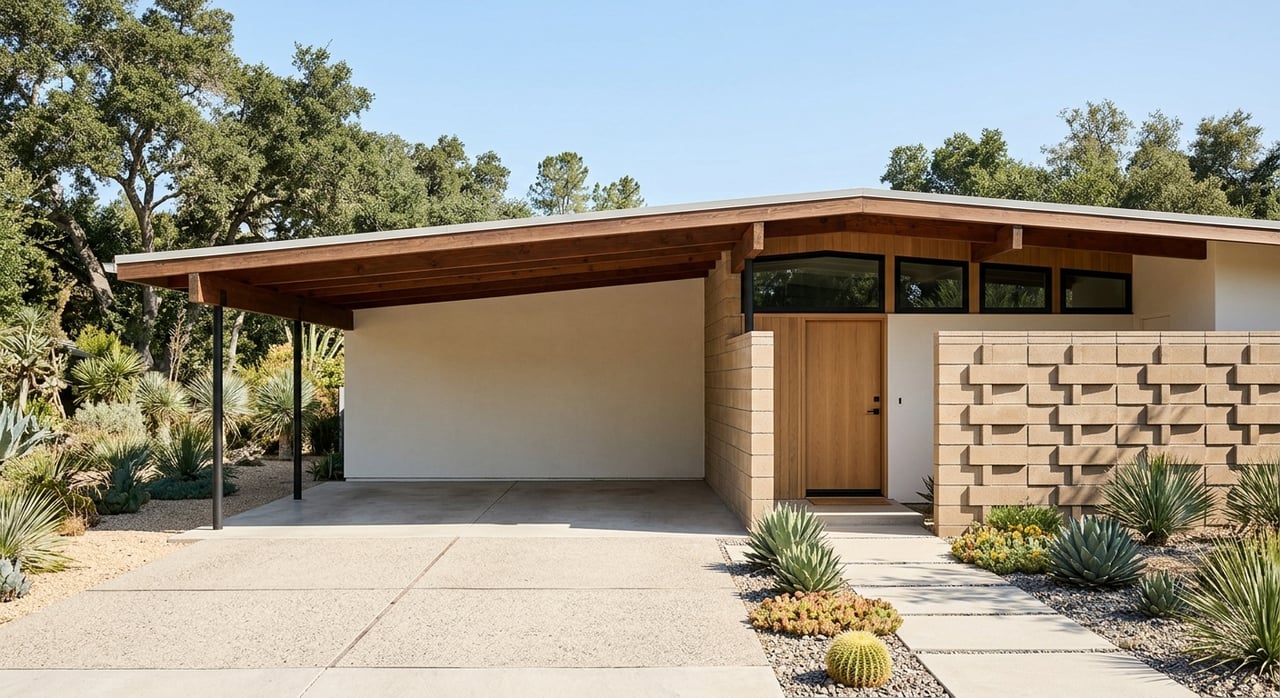
Anaheim has more architectural variety than many buyers expect. The city identifies styles such as Victorian, Colonial Revival, Craftsman, French, Spanish, English, Ranch, and Tudor Revival. Ranch homes are especially common, which helps explain why many neighborhoods have mid-century single-story or low-profile homes.
Central Anaheim stands out for its historic housing character. The city says Anaheim has four historic districts in Central Anaheim covering about 2 square miles, and the Colony district alone includes more than 1,100 qualified structures. If you are drawn to charm and architectural detail, these areas can offer a very different experience from newer condo or townhome communities.
Location changes the buying experience
In Anaheim, location is not just about commute time. It can affect traffic patterns, noise levels, housing type, future development, and how the area feels day to day. That is why two homes at a similar price point can live very differently.
The city’s major destinations have a real impact on nearby areas. The Anaheim Resort is a 1,100-acre district that includes Disneyland Resort, the Anaheim Convention Center, hotels, restaurants, shops, offices, and other visitor-serving businesses, and the city says it attracts more than 25 million visitors a year. The Platinum Triangle and the OCVibe area near Honda Center are also major activity centers tied to employment, entertainment, and ongoing development.
Transit and freeway access matter
Anaheim is deeply connected by road and transit, which can be a plus if you want access and a challenge if you want a quieter setting. The city identifies I-5, SR-57, and SR-91 as the primary freeways through Anaheim, with SR-55 and SR-22 nearby. Major roads like Harbor Boulevard, Katella Avenue, Ball Road, Lincoln Avenue, Anaheim Boulevard, State College Boulevard, and Main Street also shape traffic flow across the city.
Public transit is another key factor. OCTA says Anaheim is a major hub in its bus system, with nearly half of all OCTA routes traveling through the city. ARTIC also serves as a major multimodal hub, with Metrolink, OCTA buses, Pacific Surfliner, Anaheim Resort Transit, and other transportation options.
For some buyers, that access is a major advantage. For others, being close to a busy corridor may mean more street activity and noise than expected. It is worth balancing convenience with the pace of the immediate area.
Not every Anaheim area feels the same
Anaheim is large enough that local conditions change from one section of the city to another. West Anaheim, central Anaheim, east Anaheim, the resort area, and the Platinum Triangle each come with their own housing patterns and daily rhythms. A home that checks every box on paper may feel different once you experience the surrounding streets at different times.
For example, the city says aircraft-noise complaints are concentrated in east Anaheim under John Wayne Airport flight paths. In west Anaheim, the Brookhurst corridor is described as a 3.5-mile mix of restaurants, businesses, neighborhoods, community facilities, parks, places of worship, and the city-recognized Little Arabia district. Those details help show why local context matters so much when choosing where to buy.
Tour homes with a practical checklist
When you start touring homes in Anaheim, focus on more than finishes and staging. Your best questions are often about how the property works in real life. A thoughtful tour can help you avoid surprises after you are under contract.
Here are some of the most useful things to check:
- Parking setup: Confirm driveway and garage capacity, guest parking, and whether the street is in a permit-parking district.
- Street rules: Anaheim’s residential permit parking program caps permits by bedroom count, and the city says vehicles may generally park on the street for up to 72 hours unless another restriction applies.
- Noise exposure: Visit at different times of day and ask about freeway, rail, event, resort, and aircraft noise.
- HOA details: In condo and townhome communities, ask what the dues cover, how guest parking works, and what shared amenities are included.
- Future construction: Ask about nearby road work, development, and utility projects that could affect access or daily life.
- System updates: Verify roof age, plumbing, electrical, HVAC, sewer condition, and permit history for remodels.
A polished showing can hide a lot. Taking a methodical approach helps you compare homes more clearly and negotiate from a better position.
Historic district questions to ask
If you are considering a home in or near one of Anaheim’s historic districts, ask specific questions early. Exterior changes may require review, and the city says certain historic-district structures may qualify for Mills Act benefits. That program can reduce property taxes in exchange for historically accurate exterior restoration.
That can be a meaningful benefit, but it also comes with responsibilities. Before you write an offer, find out whether the property falls within a historic district, whether prior exterior work was approved, and what future changes may require review. If character is part of the appeal, make sure you understand the rules that help preserve it.
Hillside buyers need extra due diligence
If your search expands into east Anaheim hills areas, your checklist should grow. The city advises buyers in those areas to ask about wildfire, earthquake, and hillside-runoff exposure. It is also wise to learn the neighborhood evacuation route before writing an offer.
Those questions do not mean a hillside home is a poor choice. They simply mean the location comes with different planning needs than a home on flatter urban streets. A strong buying strategy matches your lifestyle goals with the right level of due diligence.
What smart buyers do before making an offer
The strongest buyers in Anaheim usually do a few things well. They move quickly when a good match appears, but they do not skip the details that affect long-term value and daily comfort. They also stay flexible about housing type, layout, and exact location.
Before making an offer, it helps to narrow your priorities into clear categories:
- Must-haves: budget, bedrooms, parking, commute needs, and property type
- Lifestyle factors: traffic tolerance, noise sensitivity, access to transit, and interest in walkable commercial corridors
- Property condition: level of renovation, system age, and willingness to take on repairs
- Area fit: historic character, future development exposure, and neighborhood feel at different times of day
That clarity can keep you from overreacting to a beautiful kitchen or passing on a strong home because of something minor. In a market like Anaheim, disciplined decision-making matters.
Why local guidance matters in Anaheim
Anaheim is the kind of market where broad county-level advice is not enough. You need to understand how older housing stock, mixed-use areas, major destinations, and transportation corridors shape the buying experience. You also need someone who can help you separate a good value from a home that may bring avoidable tradeoffs.
If you are planning a move here, the goal is not just to buy a home. It is to buy the right home for your budget, lifestyle, and long-term plans. That takes clear strategy, strong due diligence, and practical neighborhood-level insight.
If you want help building a smart Anaheim home search strategy, schedule a consultation with Timothy Hoard.
FAQs
What should buyers know about Anaheim home prices?
- Anaheim remains a high-cost market, with recent median price data in the low-to-mid $900,000s and relatively quick selling times for well-priced homes.
What kinds of homes can buyers find in Anaheim?
- Anaheim has a mixed housing stock that includes detached homes, condos, townhomes, and mobile homes, with multi-unit housing making up a large share of the city’s inventory.
What should buyers inspect carefully in older Anaheim homes?
- Buyers should pay close attention to the roof, plumbing, electrical panels, HVAC system, sewer line condition, and whether past remodels were permitted.
What should buyers ask about parking in Anaheim neighborhoods?
- Buyers should confirm garage and driveway space, guest parking availability, and whether the home is in a permit-parking area with bedroom-based permit limits.
What should buyers know about noise in Anaheim?
- Buyers should visit homes at different times and ask about freeway, rail, event, resort, and aircraft noise, especially in areas near major roads, activity centers, or east Anaheim flight paths.
What should buyers know about historic homes in Anaheim?
- Buyers should ask whether a property is in a historic district, whether exterior changes require review, and whether the home may qualify for Mills Act property-tax benefits.
What should buyers consider in Anaheim hills areas?
- Buyers looking in hillside areas should ask about wildfire, earthquake, and hillside-runoff exposure and learn the local evacuation route before making an offer.