Trying to decide between a condo and a house in Long Beach? You’re not alone. The choice touches your budget, daily routine, and long‑term plans. In this guide, you’ll get a clear way to compare costs, lifestyle fit, financing, and local factors like coastal flooding and port activity so you can choose with confidence. Let’s dive in.
Condo vs house: the quick take
Condos often make an easier entry into central and coastal Long Beach, with lower purchase prices and shared maintenance handled by an HOA. You trade some privacy and outdoor space for convenience and amenities. Single‑family homes typically cost more but offer private yards, more storage and parking, and flexibility to expand over time.
Think about how you live today and where you want to be in five years. If you value walkability and low maintenance, a condo can fit well. If you want space, flexibility, and long‑term land value, a house can be a smart play.
Total cost: look beyond price
Purchase price is only part of the picture. Compare your true monthly housing cost.
- Mortgage principal and interest
- Property taxes and homeowner’s insurance
- HOA dues for condos (what’s included and what is not)
- Utilities and maintenance budget
Condos usually carry monthly HOA dues, which may include exterior insurance, landscaping, some utilities, and common‑area maintenance. Single‑family homes put exterior and yard costs on you. Property taxes reflect assessed value, so houses often have higher tax bills in the same area.
Tip: Ask for 12 months of typical utility costs and the condo’s current HOA budget. Review the HOA’s fee history and any planned increases so your monthly estimate is realistic.
Maintenance: time vs control
Condos
The HOA typically handles exterior items like roof, siding, and common systems. You handle your unit’s interior and any specific items defined by the CC&Rs. This setup reduces your time commitment, but you’ll pay for it through dues and special assessments if they arise.
Houses
You control the property inside and out, including roof, landscaping, fencing, and exterior systems. It takes more time or contractor oversight, but you decide the standards, timing, and materials.
HOA rules and risks
If you lean toward a condo, plan a careful review of the HOA. California’s common interest development rules set standards for governance and buyer protections, but each HOA is unique. During due diligence, request:
- CC&Rs, bylaws, rules and amendments
- Current operating budget and the reserve study
- Two to three years of financials and meeting minutes
- Insurance declarations for the HOA’s master policy
- An official statement on assessments, violations, and pending litigation
- Rental and leasing rules
Red flags include low reserves, frequent special assessments, pending litigation, and unclear master insurance coverage. If the documents are complex, consider speaking with a real‑estate attorney for clarity.
Financing and insurance basics
Financing
Condos can come with extra lending requirements. Some lenders and programs need the project to be on an approved list. If you plan to use FHA or VA, check the current guidelines and project status through the official resource for the FHA condo approval list early in your search.
Insurance
- Condos: You’ll typically carry an HO‑6 policy for the interior and personal liability. The HOA’s master policy covers common areas and exterior, but coverage varies by building.
- Houses: You’ll carry a homeowner policy that covers the dwelling, other structures, contents, and liability.
For coastal homes, confirm whether flood insurance is required based on FEMA flood zones. You can look up property‑specific zones on the FEMA Flood Map Service Center. In California, earthquake insurance is optional and separate, so factor that into your budget if desired.
Lifestyle fit by Long Beach neighborhood
The right choice often comes down to where and how you want to live.
Downtown, East Village, Alamitos Beach
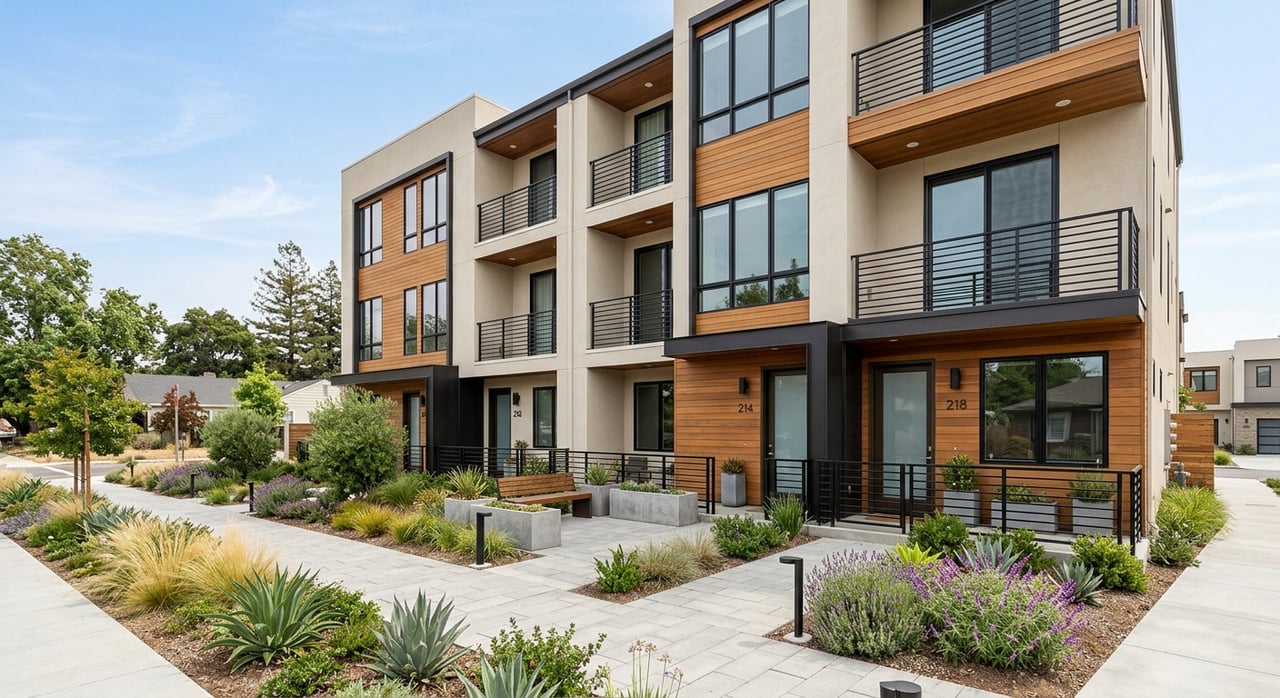
- What you’ll find: Many condos, lofts, and townhomes close to shops, restaurants, and the waterfront.
- Why it works: You get convenience and lower exterior maintenance. Walkability and transit access are strong. Parking details and building condition can impact value and lifestyle.
Belmont Shore, Belmont Heights
- What you’ll find: A mix of single‑family homes near the beach with some condos and townhomes along main corridors.
- Why it works: If you prioritize beach access and outdoor living, these areas are appealing. Single‑family homes tend to command premium pricing.
Naples, Bluff Park, Shoreline Village
- What you’ll find: Predominantly single‑family homes with higher property values and limited condo inventory.
- Why it works: Buyers seeking private yards, space, and coastal settings often focus here.
Bixby Knolls, Los Altos, California Heights
- What you’ll find: Primarily single‑family neighborhoods with larger lots.
- Why it works: Buyers who want more space and a traditional residential feel often look here.
North Long Beach, Wrigley, East Long Beach (further east)
- What you’ll find: A mix of more affordable single‑family options and pockets of condos.
- Why it works: Budget‑minded buyers who want space and are flexible on commute patterns tend to explore these areas.
Signal Hill (adjacent city)
- What you’ll find: Hillside single‑family homes with views and some condos.
- Why it works: Great for buyers who want views and proximity to central Long Beach.
For school boundaries and information, use the official resources from the Long Beach Unified School District. For transit access, including the A Line connection to downtown Los Angeles, explore the Metro trip planner.
Long Beach specifics to check
- Coastal flooding and sea‑level considerations: Review FEMA flood zones and local coastal planning. Start with the FEMA Flood Map Service Center and the City’s planning and coastal resources at Long Beach Development Services.
- Port and air quality: Some areas sit closer to port and industrial corridors. Check regional air‑quality information from the South Coast Air Quality Management District and updates from the Port of Long Beach.
- Zoning and ADUs: If you’re considering future expansion, research local zoning and state rules. The California Department of Housing and Community Development provides helpful guidance on accessory dwelling units at the HCD ADU resource center.
Outdoor space, parking, and storage
Condos typically offer balconies, shared courtyards, or rooftop areas. Parking can be assigned, tandem, or street‑based, and guest parking varies by building rules. Houses deliver private yards, garages, and more storage, which supports hobbies, pets, or future projects.
If outdoor living or home hobbies play a big role in your routine, a house might be the better fit. If you prefer to keep things simple and spend more time out in the neighborhood than in the yard, a condo may serve you well.
Future flexibility and ADUs
If you want room to grow, houses give you more freedom to remodel or add space. State housing laws have eased the process for building ADUs, subject to local standards. Start your research with the state’s overview at the California HCD ADU resource center and then verify local city requirements.
Condos are less flexible. Interior remodels are possible, but most exterior changes or system modifications need HOA approval. Adding units is generally not an option.
Resale and appreciation
Single‑family homes often benefit from land value and may see steadier long‑term appreciation. Condos can appreciate in high‑demand locations, especially near the coast or in walkable urban cores. For condos, HOA health, building condition, parking, and rental policies matter a lot for resale.
Regardless of property type, review recent comparable sales in the immediate micro‑neighborhood to set realistic expectations.
A practical decision framework
Use these questions to narrow your choice:
- Budget: What monthly payment feels comfortable including mortgage, taxes, insurance, HOA (if any), utilities, and a maintenance set‑aside?
- Time vs control: Do you want minimal exterior maintenance or full control over your property?
- Space needs: Do you need a yard, garage, workspace, or extra storage?
- Neighborhood lifestyle: How important are walkability, beach access, and transit?
- Future plans: Planning for an ADU, home office, or more household members?
- HOA comfort: Are you okay with HOA rules and possible special assessments?
- Financing: Will you rely on FHA or VA? If condo, is the project approved or likely to qualify?
Due diligence checklists
If you’re buying a condo
- HOA budget, reserve study, recent financials, and meeting minutes
- CC&Rs, bylaws, rules, and amendments
- HOA master insurance details and deductibles
- Estoppel or HOA statement on assessments, violations, and litigation
- Rental policy and occupancy limits
- Any available building inspection reports
If you’re buying a house
- Seller disclosures and pest/termite report
- Foundation, roof, plumbing, and drainage evaluations
- Zoning and permit history to verify additions or conversions
- Flood zone status and any prior flood history
For all properties
- Recent comparable sales in the micro‑area
- School boundaries via the LBUSD site
- Transit access using the Metro trip planner
- FEMA flood zone via the FEMA Map Service Center
Your next step
If you want low maintenance and walkable living near the waterfront, a condo can be a great choice. If you want privacy, yard space, and long‑term flexibility, a house will likely suit you better. The best decision blends your budget, lifestyle, and plans for the future.
When you’re ready to compare real listings and run a real monthly cost analysis, reach out. With neighborhood‑level guidance and a clear plan from search to close, you can move forward with confidence. Schedule a consultation with Timothy Hoard to map the right path for you in Long Beach.
FAQs
What are the biggest cost differences between Long Beach condos and houses?
- Condos typically have lower purchase prices but add monthly HOA dues, while houses often have higher prices and taxes but no HOA dues and greater exterior maintenance costs.
How do HOA rules affect Long Beach condo living?
- HOA rules can limit rentals, set pet policies, control renovations, and determine parking. Review CC&Rs, bylaws, rules, and financials to understand obligations and risks.
Can I use FHA or VA financing to buy a Long Beach condo?
- Possibly, but many programs require the condo project to be approved. Check the FHA condo approval list or ask your lender early in the process.
Do Long Beach coastal homes require flood insurance?
- It depends on the FEMA flood zone and your lender’s requirements. Look up the property’s zone on the FEMA Flood Map Service Center during due diligence.
How does port activity impact some Long Beach neighborhoods?
- Areas closer to industrial corridors may experience different air‑quality or noise conditions. Review updates from the Port of Long Beach and the South Coast AQMD.
Where can I research ADU potential for a Long Beach house?
- Start with the state’s overview at the California HCD ADU resource center and then confirm local standards with the City’s planning resources at Long Beach Development Services.