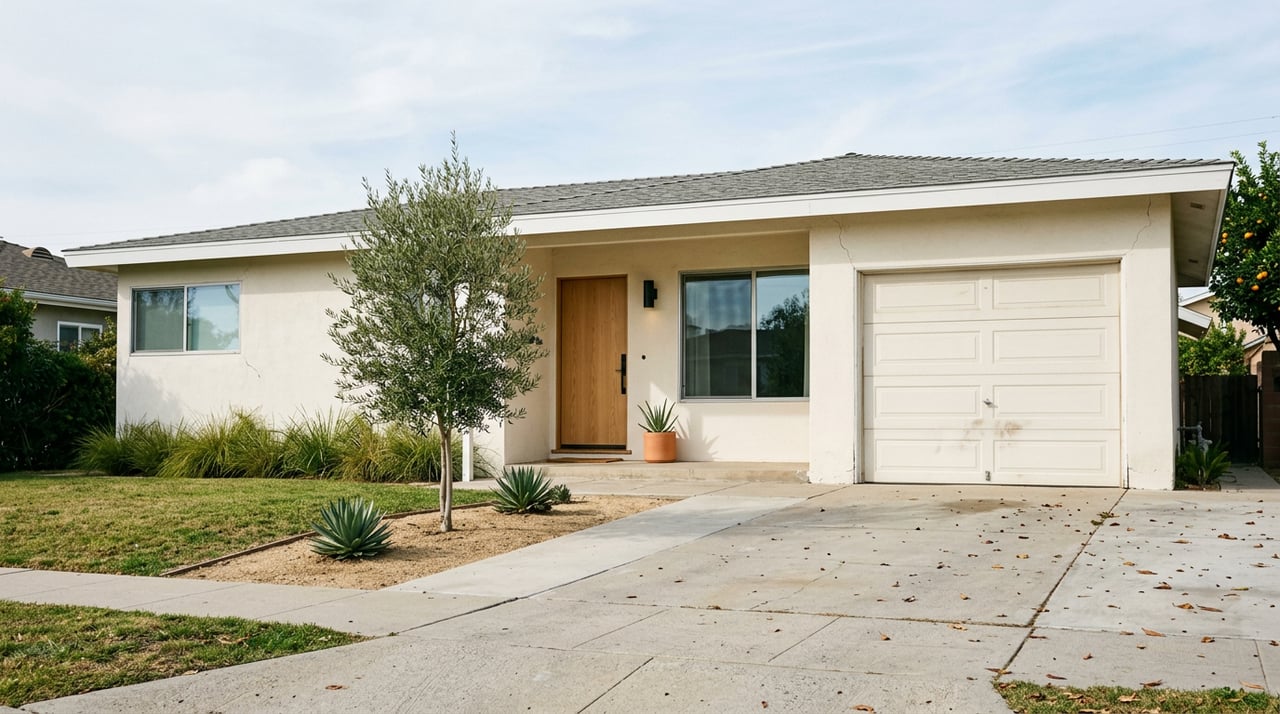
Hoping to plant roots in Orange County without overspending? Garden Grove’s established neighborhoods may be your best shot at a single-family starter home with a real yard and room to grow. You want value, a manageable commute, and a place you can improve over time. In this guide, you’ll learn what a realistic starter home looks like in Garden Grove, how to evaluate older properties, what renovations to budget, and which local programs can help with down payment. Let’s dive in.
Garden Grove market snapshot
Starter homes in Garden Grove are often older, postwar single-family houses. A large share of the city’s housing was built before 1970, which explains why you’ll see mid-century layouts and systems that may need updates. The Southern California Association of Governments reports that Garden Grove’s housing stock is heavily concentrated in the 1950s–1970s era. You can review the city’s housing age profile in the SCAG local report for context on what to expect in each tract (SCAG Garden Grove Local Profile).
As a price reference, market snapshots in early 2026 put Garden Grove’s median sale price in the high $800s to around $965,000, depending on the month and source. For buyers, that often translates to a smaller, well-kept mid-century home or a larger fixer that needs system updates. Always check current pricing when you are ready to tour, since numbers shift month to month.
What starter homes look like
Typical size and layout
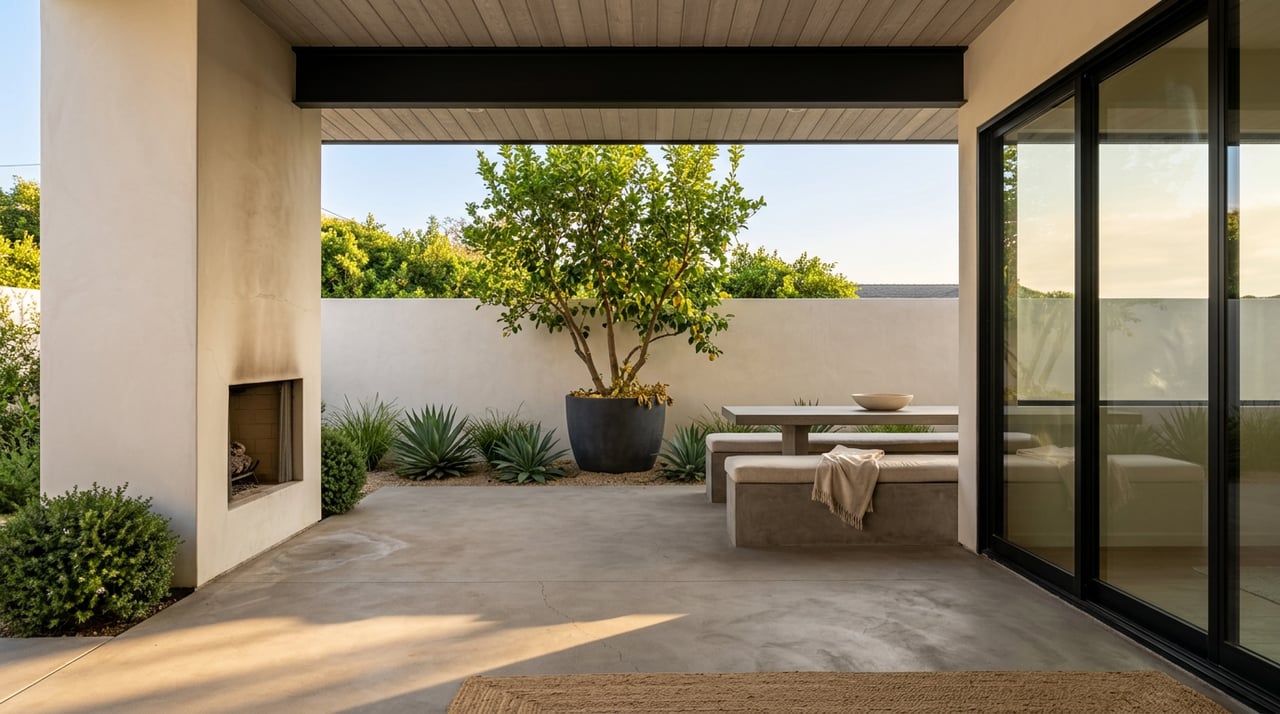
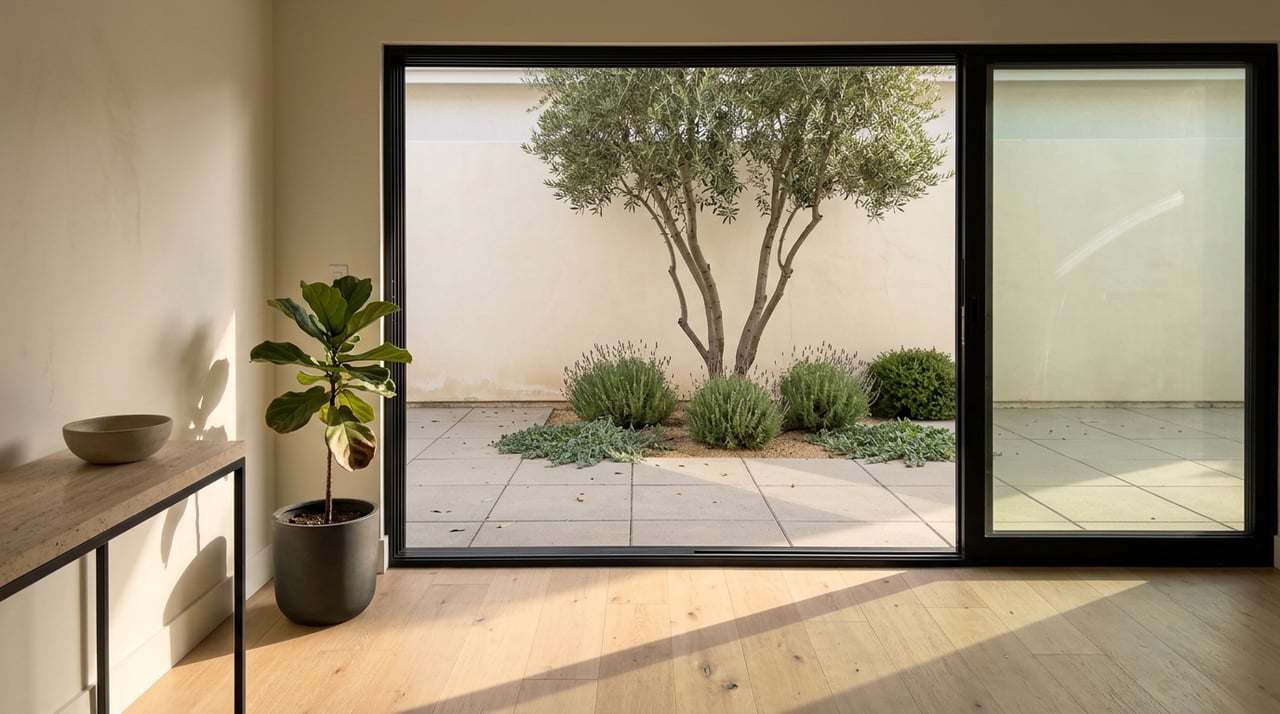
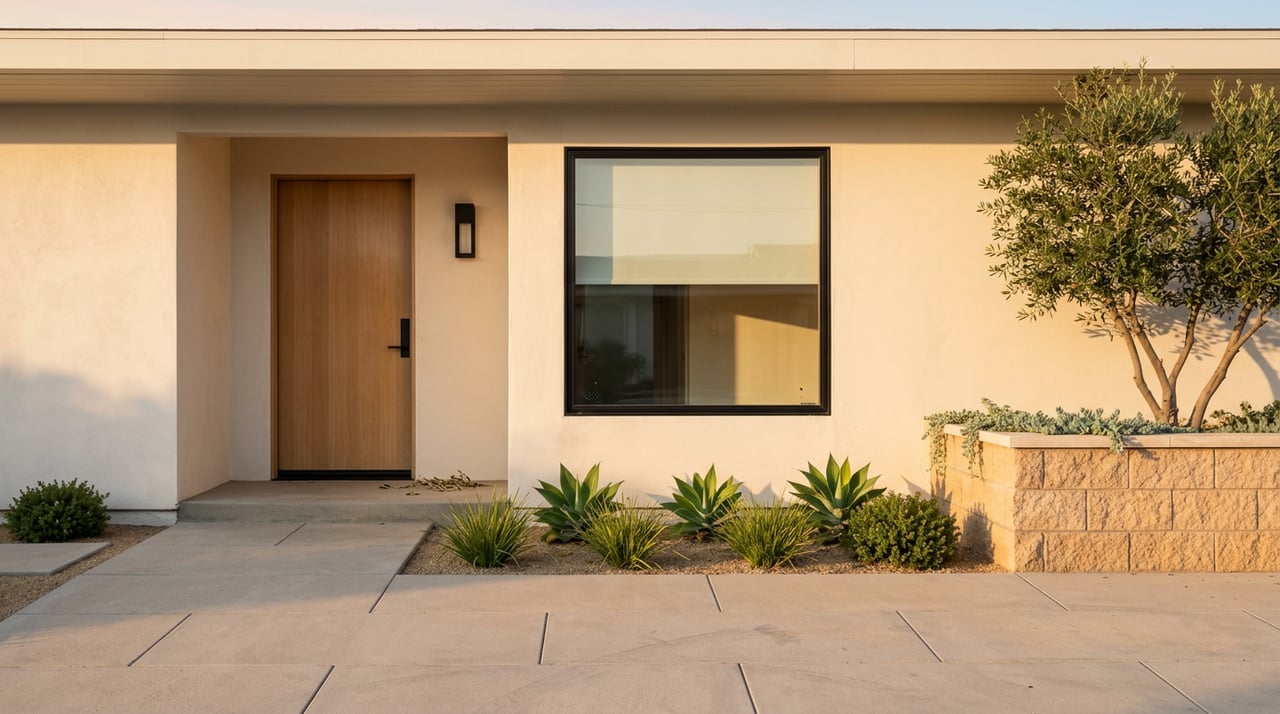
You’ll mostly find single-story ranch or modest mid-century homes from the 1950s–1970s with 2–3 bedrooms and 1–2 bathrooms. Floor plans commonly run about 1,000 to 1,600 square feet with compact kitchens and separate living rooms. Expect original hardwood or slab foundations, garages that may invite conversion, and straightforward indoor-outdoor flow.
Lot and ADU potential
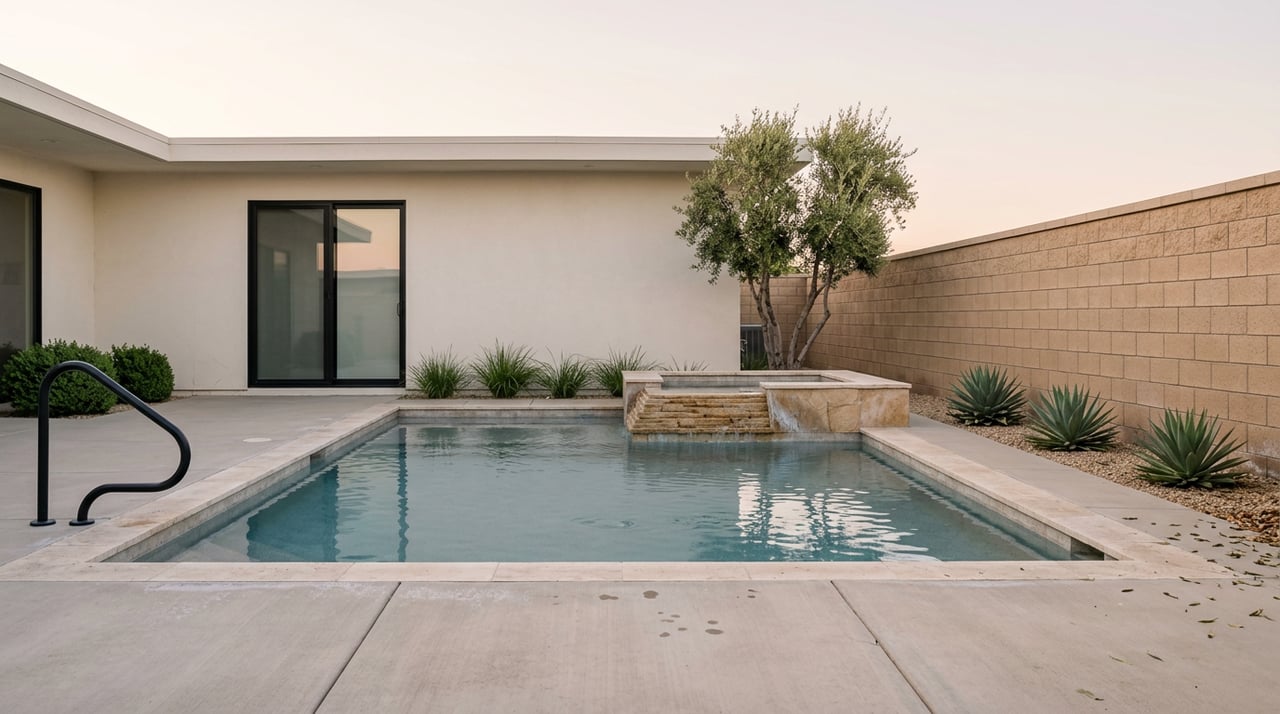
Postwar tract lots in many Garden Grove neighborhoods are often about 5,000 to 6,600 square feet. That gives you a usable backyard for pets, gardening, or future accessory space. If adding an ADU or converting a garage is on your radar, verify zoning, setbacks, and any prior permits using the City’s parcel viewer before you get attached to a plan (Garden Grove Maps & GIS).
Neighborhood examples
- Old Town-adjacent tracts and nearby established neighborhoods often feature smaller mid-century ranches with good-size yards and a classic curb appeal.
- West Garden Grove includes many postwar single-family blocks with tidy streets and practical single-story layouts.
- Along and near the Brookhurst corridor you’ll find a mix of mid-century tracts where pricing varies block by block based on condition and improvements.
Prices and features can change quickly, so compare recent sales within a few blocks of any home you like. Your goal is to match layout, lot, and condition with your renovation budget and commute needs.
Evaluate older homes like a pro
Pre-offer checks
- Pull the parcel, zoning, and permit history. Use the City’s GIS to confirm lot lines and look for permits on additions or garage conversions. Unpermitted work can add cost and time later (Garden Grove Maps & GIS).
- Order or review a termite report. Termite damage is common in older SoCal homes. Check the state system for wood-destroying organism records and plan remediation if needed (California SPCB WDO search).
- Verify sewer lateral responsibility. In Garden Grove, the private lateral from the house to the main is the owner’s responsibility. Budget for a camera inspection and potential repair if the home is older (Garden Grove Sewers).
Inspection priorities
Hire a certified inspector and consider bringing a licensed electrician or plumber if the home predates 1970. Focus on roof age and condition, foundation and settling, attic ventilation and insulation, electrical panel and wiring, plumbing supply lines and drains, HVAC age, water heater, moisture or mold, and any signs of unpermitted work. For scope and standards, review a reputable buyer checklist aligned with InterNACHI/ASHI practices (home inspection checklist).
Red flags to watch
- Major foundation movement, large cracks, or sagging floors.
- Extensive termite or rot in structural members.
- Obsolete or compromised electrical systems that warrant a full rewire.
- Failed sewer lateral or chronic drainage issues.
- Unpermitted structural additions that will need correction or retroactive permits.
If any of these appear, get contractor estimates before finalizing your offer so you can price the risk correctly.
First tour quick checks
- Open the electrical panel. Note brand and age, and look for double-tapped breakers. Ask for any upgrade history. Electrical service upgrades often sit at the top of the safety list and can affect insurance and loan approval (electrical safety pointers).
- Look and smell for moisture in the garage, under sinks, and at exterior walls.
- If there is a crawl space, peek at bracing and sill-plate anchoring. Seismic bracing and bolting add resilience and may be eligible for occasional grant programs.
Plan your renovation budget
Tackle projects in a sequence that protects safety, insurability, and future resale.
Safety and code fixes. Electrical panel and service upgrades in Southern California often range from a few thousand dollars to roughly $5,000–$8,000 depending on scope. Prioritize gas or plumbing hazards and any life-safety electrical issues first (electrical safety pointers).
Roof and weatherproofing. If the roof is near end of life, replace it before cosmetic work. Roof leaks create secondary damage.
Kitchen and bath refreshes. Minor, well-planned updates to surfaces and fixtures typically deliver stronger value than full gut remodels early in ownership. Regional Cost vs. Value data consistently show better recoup rates on targeted improvements than major overhauls (Cost vs. Value report).
Termite repairs and prevention. Address any structural wood repairs and budget for ongoing treatment if your WDO report calls for it.
Seismic bracing. For raised-foundation homes, basic brace-and-bolt retrofits can be relatively modest compared with potential damage avoided. Check current grant windows when you shop.
Keep a 10 to 15 percent contingency for surprises. Get at least two bids for any job over a few thousand dollars and use your inspection report to organize work into safety, deferred maintenance, and cosmetic categories.
Down payment help and permits
Garden Grove offers a First-Time Home Buyer Program with deferred, 0 percent loans up to $110,000 for qualifying low-income buyers, with options for moderate-income households. Participation usually requires a HUD-approved education course and owner-occupancy for a set period. Review current income limits, loan terms, and workshop requirements on the City’s page before you apply (Garden Grove First-Time Home Buyer Program).
You can also explore county-level help. Orange County’s Mortgage Assistance Program provides deferred second loans administered through partners like the Affordable Housing Clearinghouse. Program limits change, so confirm current caps and eligibility (Orange County Mortgage Assistance Program).
Before you buy, verify any additions or garage conversions against City permit records. Knowing what was permitted and when helps you avoid costly corrections. The City’s Residential Submittal Guidelines outline what work requires permits and how to submit plans if you plan changes after closing (Residential Submittal Guidelines).
Commute and lifestyle tradeoffs
Garden Grove sits in north-central Orange County. You are roughly 20 miles from Irvine and a short drive to Anaheim, though travel times vary with traffic. Many tracts offer private yards at a lower price than coastal areas, which is appealing if you want outdoor space. You are also near major amenities like Mile Square Regional Park, local city parks, and the Grove District dining and shopping.
If a shorter commute is essential, focus your search near your primary route even if that means a smaller interior footprint. If outdoor living is the priority, consider blocks with larger lots and plan a phased update strategy.
Your 8-step buyer roadmap
- Get pre-approved and build a cushion for inspections and early repairs.
- Attend a first-time buyer workshop required for City assistance and learn the application steps (City program page).
- Shortlist 2–3 target tracts and study recent sales within those blocks using the City’s parcel viewer for context (Maps & GIS).
- For each promising home, order a termite/WDO report and schedule a camera inspection of the sewer lateral if the house is older (WDO search).
- Write offers with a solid inspection contingency and consider specialty inspections for pre-1970 systems (inspection checklist).
- Get contractor bids for big-ticket items like electrical panel upgrades, roof, termite repairs, lateral work, and seismic bracing before removing contingencies. Use bids to negotiate credits (electrical safety pointers).
- Layer assistance programs. Combine the City’s loan with county options if you qualify to free up cash for early repairs (OC MAP).
- Sequence post-closing work: safety and code, roof and envelope, core systems, then high-ROI cosmetic updates guided by Cost vs. Value data (Cost vs. Value report).
Ready to explore Garden Grove’s classic tracts with a clear plan and realistic budget? Get neighborhood-level guidance, inspection-to-close support, and negotiation built for first-time buyers. Start your search with Timothy Hoard and move forward with confidence.
FAQs
What is a typical Garden Grove starter home?
- Most starter homes are 1950s–1970s single-story ranches with 2–3 beds, 1–2 baths, and about 1,000–1,600 square feet, often on 5,000–6,600 square foot lots.
How much should I budget for inspections and early repairs?
- Plan for a full home inspection, a sewer lateral camera inspection, and a termite report, plus a 10–15 percent contingency for immediate safety fixes and maintenance.
How do Garden Grove’s first-time buyer loans work?
- Qualifying buyers can apply for a deferred, 0 percent loan up to $110,000, subject to income limits, education requirements, and occupancy rules through the City program.
What permit issues are common in older homes?
- Unpermitted garage conversions, additions, or patio enclosures appear often. Verify records with the City’s parcel viewer and review the Residential Submittal Guidelines before closing.
Why is the sewer lateral such a big deal?
- In Garden Grove, the homeowner is responsible for the private lateral from the house to the main, so a camera inspection helps you avoid surprise repair costs after you move in.