Selling in Lakewood can move quickly when you have a clear plan. If you want strong offers without the stress, the key is timing, clean disclosures, focused repairs, and great presentation in the first two weeks on market. In this guide, you’ll get a simple, local, step-by-step plan built for Lakewood homes so you know what to do and when to do it. Let’s dive in.
Know the Lakewood market now
Public market trackers place typical Lakewood home values in the mid to high $800,000s, with many sales near the low $900,000s. Local demand is competitive, and the best listings see most activity in the first one to two weeks. Statewide forecasts suggest modest price growth ahead and easing mortgage rates, which keeps spring and early summer as strong listing windows, though a well-priced home can perform year-round. You can review statewide context in the 2026 California housing forecast.
What this means for you: launch with a dialed-in list price, on-point photos, and strong staging. Your first 7 to 14 days matter most.
Your 60/30/14/0 step-by-step plan
60+ days out: Strategy and prep
- Interview agents and request a comparative market analysis (CMA) using very recent local sales.
- Decide on a target window to list and a pricing band based on condition and recent comps.
- Start your document file: deed, mortgage payoff info, permits, prior inspections and receipts, recent utility bills, and HOA documents if applicable. See common packet items in the C.A.R. forms overview.
- Order a pre-listing termite inspection and consider a general home inspection, especially for older homes. Pre-listing inspections can reduce renegotiation risk and speed closings, as outlined in this pre-listing inspection guide.
30–45 days out: Repairs and refresh
- Fix safety and lender blockers first: smoke and CO detectors, water heater bracing, obvious electrical hazards, and any active termite or dry rot items.
- Tackle quick cosmetic wins: neutral interior paint, updated light fixtures and hardware, deep clean, touch up flooring, and minor kitchen or bath refreshes.
- Book professional photography and a floor plan for the day you go live on the MLS.
7–14 days out: Final polish and marketing
- Complete staging. Prioritize the living room, kitchen, and primary bedroom. Add curb appeal touches and tidy outdoor spaces.
- Review the MLS draft for accuracy. Confirm beds, baths, square footage, lot details, and neighborhood labeling that fits Lakewood conventions like Lakewood Park, Rancho Estates, El Dorado Park areas, or Westgate.
- Prepare your disclosure package so it is ready to deliver on request.
Launch week and first 14 days: Go live and engage
- Post the listing with full photo set and floor plan on day one. Consider a broker preview and a well-timed first open house.
- Make your home easy to show and keep it spotless. Expect most serious interest in the first two weeks.
- Use a clear offer timeline. If appropriate, set an offer review date to concentrate activity.
After you accept an offer: Escrow and closing
- Coordinate buyer inspections, appraisal, and any lender conditions. Typical escrow timelines in California run about 30 to 45 days, depending on financing and terms.
- Track contingency removal dates and keep receipts for any agreed repairs. Communicate early to avoid delays.
Disclosures and documents you must have
California sellers are required to deliver a Transfer Disclosure Statement and a Natural Hazard Disclosure when applicable. These forms are statutory and you are legally responsible for accuracy. Review the basics in this overview of California Civil Code 1102 disclosures.
Plan to assemble these items before you list:
- Transfer Disclosure Statement (TDS)
- Natural Hazard Disclosure (NHD)
- Termite report if completed, plus any estimates or clearances
- Lead-based paint pamphlet and disclosure for homes built before 1978
- HOA resale documents if applicable
- Permit records and a list of upgrades, including any known unpermitted work
Termite inspections and Section I clearances are common in California, and many lenders expect proof that active infestation and wood damage are addressed. For background on regulation and reporting, see the California Structural Pest Control Board and this guide to termite inspection laws and expectations.
Repairs that pay off in Lakewood
Start with health, safety, and lender-required items. Then focus on changes buyers notice in photos and at first glance.
- Safety and Section I items: smoke and CO detectors, water heater bracing, obvious electrical issues, and active termite or dry rot.
- High-impact refresh: neutral interior paint, updated lighting, cabinet hardware, and a clean, bright entry. Minor kitchen updates often return more at resale than a full gut.
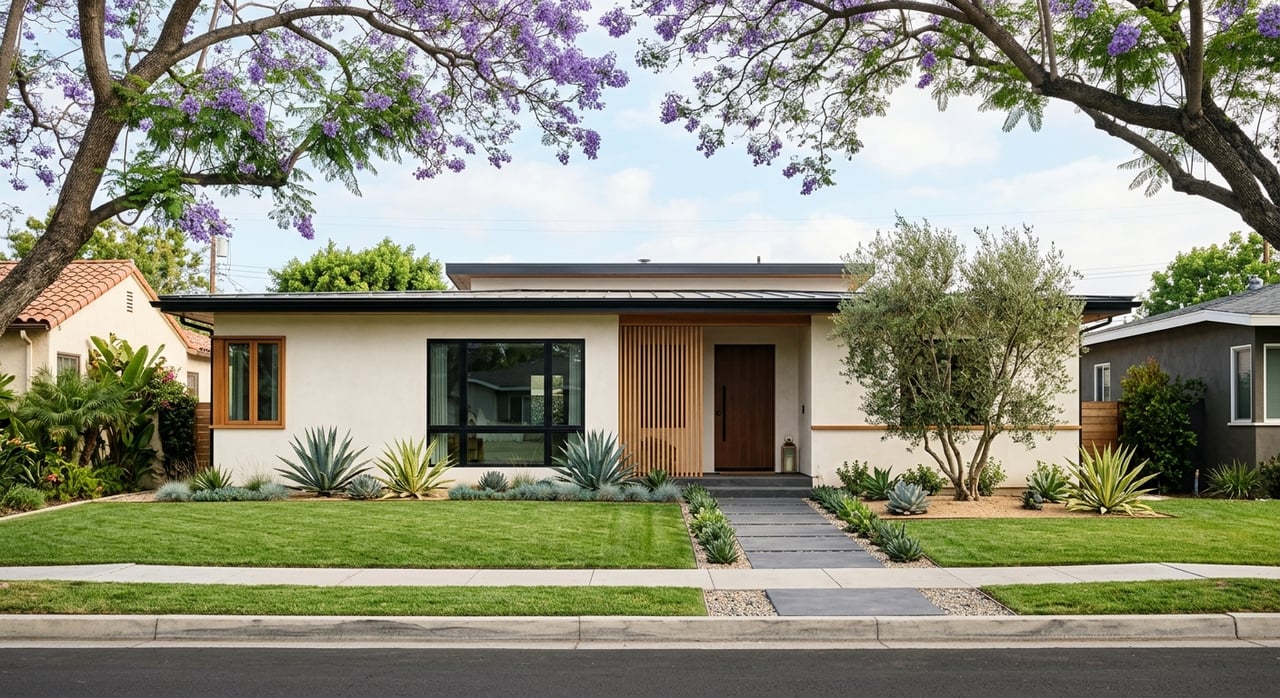
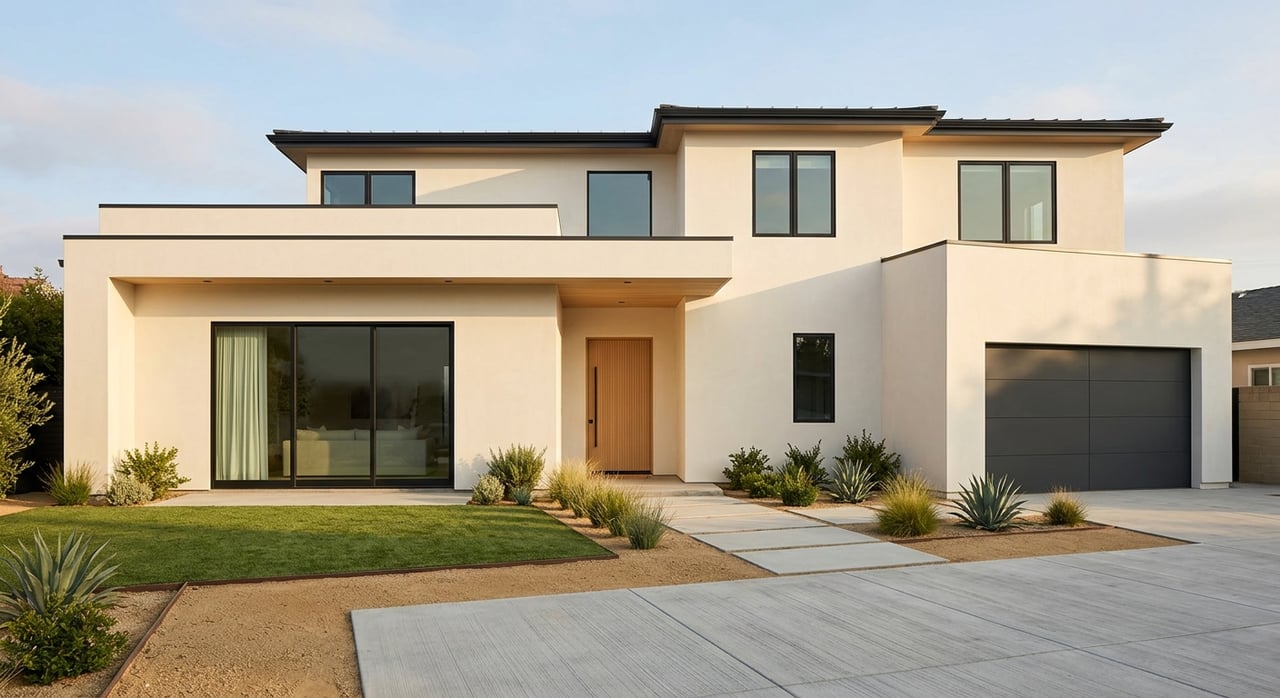
- Curb appeal: a clean driveway, fresh mulch, simple planters, and a well-painted front door go a long way.
Industry Cost vs. Value studies repeatedly show that modest, targeted projects often deliver better returns than large remodels. Review the latest perspective on projects with stronger recoup potential in this Cost vs. Value update. Save major remodels for long-term holds or when your neighborhood price ceiling clearly supports them.
Stage and photograph for SoCal buyers
Staging and great photography reduce days on market and can increase offer prices. The National Association of Realtors reports measurable benefits from staging for both sellers and buyers, including quicker sales and higher perceived value. See highlights in this NAR staging findings summary.
Lakewood homes often trace back to mid-century, single-story plans. That means your staging should emphasize open sightlines and easy flow from living spaces to the yard. You can read more about the city’s postwar growth pattern in The Lakewood Plan.
Focus your efforts here:
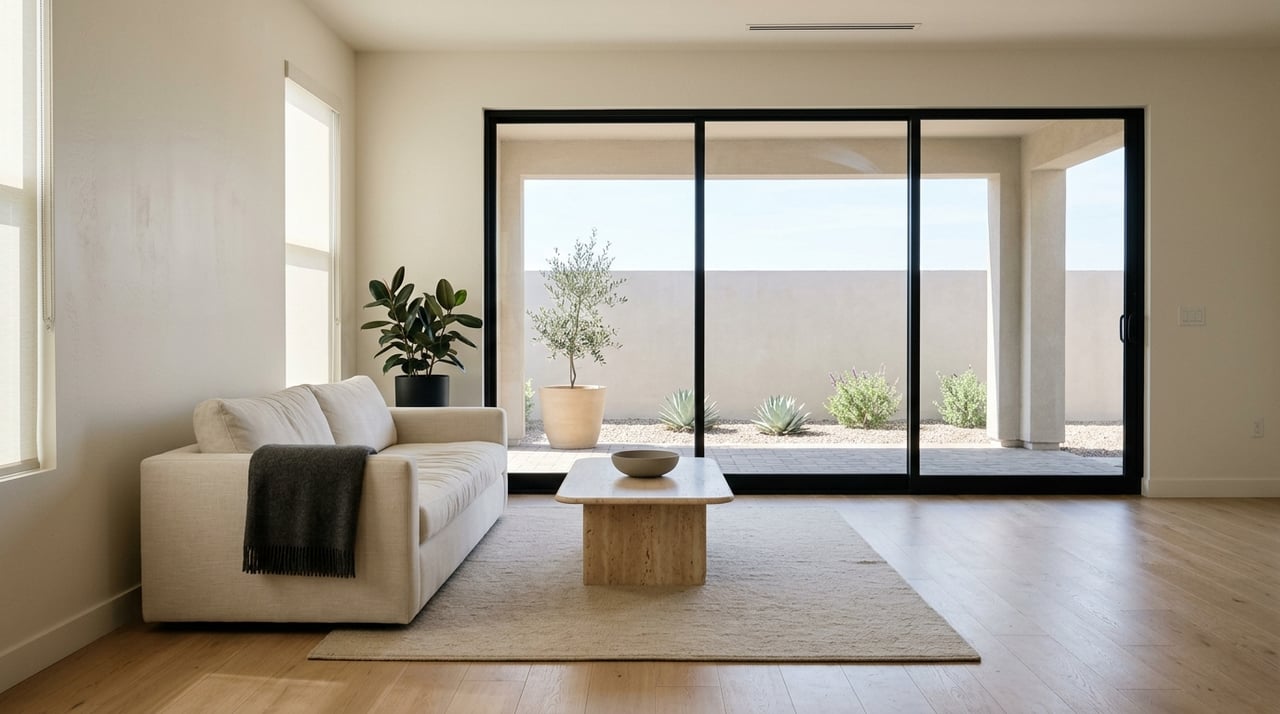
- Living room and entry: create a welcoming focal point and a clear path through the room.
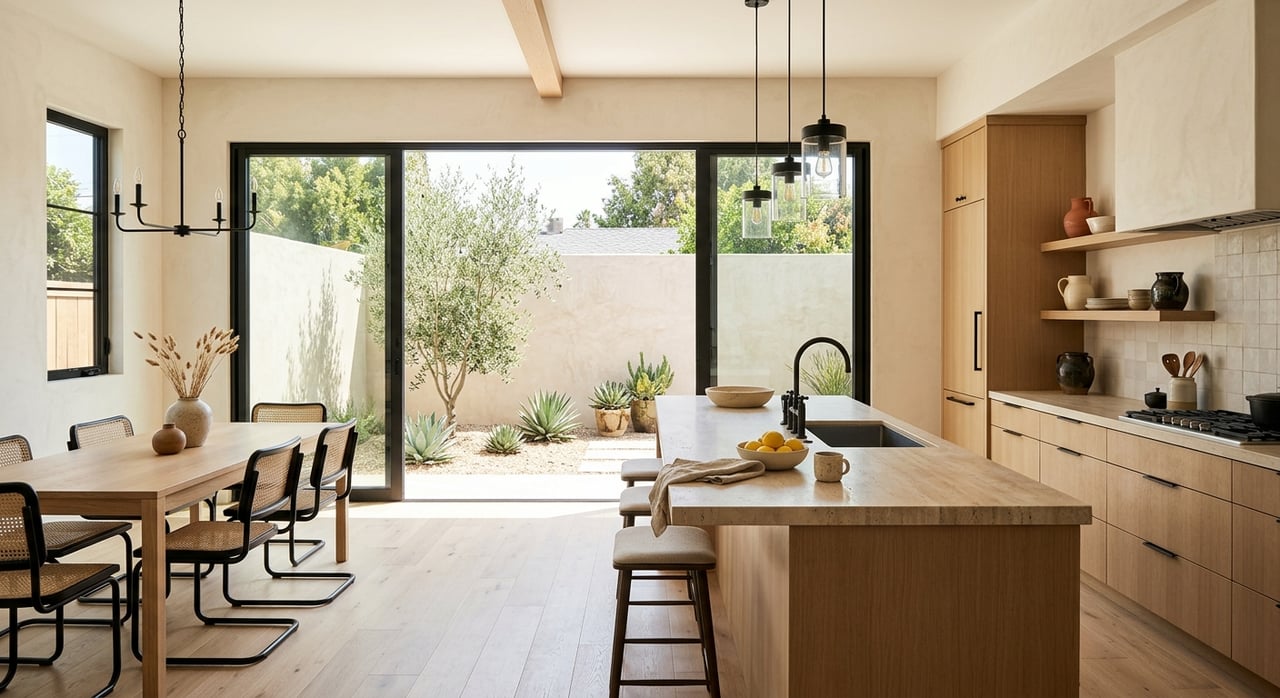
- Kitchen: remove counter clutter, add a few neutral accents, and use bright, even lighting.
- Primary bedroom: soft bedding, simple art, and balanced nightstands.
- Outdoor space: Southern California buyers look for usable outdoor living. Set a small dining or lounge vignette to show how the space lives.
- Photography: invest in professional images, including a twilight exterior and a simple floor plan graphic. Great first-look photos drive clicks and showings.
Pricing strategy that attracts real buyers
The goal is to price near true market value based on very recent, nearby sales and current competing listings. In a market where sale-to-list ratios often hover around 100 percent, a closely calculated list price draws more qualified buyers and reduces appraisal risk.
Here is a smart approach:
- Build a CMA using sales from the last 30 to 90 days, adjusted for condition, lot size, finished square footage, and updates.
- Study competing active and pending listings to see what buyers will compare against you on the same weekend.
- Choose a price that invites early showings and encourages multiple offers without straying far from supportable value.
- Reassess quickly if activity is slow in the first two weeks.
What to expect once you list
Most views and showings cluster in the first 7 to 14 days if your price and presentation are right. If multiple offers arrive, look beyond the number to the strength of each term.
Common offer elements to review with your agent:
- Price and credits or concessions requested
- Earnest money deposit amount
- Buyer financing type and strength of pre-approval or proof of funds
- Contingencies and timeframes for inspection, appraisal, and loan
- Requested closing timeline and possession details
Offers with shorter timelines or fewer contingencies can close faster, but weigh the risks and your comfort level. A slightly lower offer with stronger financing and smoother terms can be the better net choice.
Lakewood specifics to check
- Local housing stock: Lakewood’s development history explains why many homes are mid-century ranch or one-story plans. Knowing your micro-neighborhood, such as Lakewood Park or the El Dorado Park area, helps your CMA and marketing. Learn the context in The Lakewood Plan.
- Ownership profile: The Census Bureau’s ACS QuickFacts shows a relatively high owner-occupied rate in Lakewood, which often supports steady resale demand. Review the city snapshot on Census QuickFacts.
- Special taxes or HOA: Many classic Lakewood tracts are not in newer special assessment districts, but always verify whether your property has Mello-Roos or other assessments and gather HOA docs if applicable. See the C.A.R. forms overview for common disclosures.
Quick pre-list checklist
- Choose your listing window and pricing band.
- Order a termite inspection and consider a general pre-listing inspection.
- Gather TDS, NHD, permits, receipts, and HOA docs.
- Fix safety and Section I items first, then paint, lighting, and curb appeal.
- Stage the living room, kitchen, and primary bedroom. Add an outdoor seating vignette.
- Book professional photography and a floor plan.
- Go live with a clear offer timeline and keep the home easy to show.
Ready to build your plan around your timeline and property? Get a pricing strategy, staging roadmap, and a smooth transaction plan tailored to your home with Timothy Hoard. Schedule a consultation and get your Lakewood sale moving.
FAQs
What disclosures are required when selling a home in California?
- You typically must deliver a Transfer Disclosure Statement and a Natural Hazard Disclosure, and include items like HOA docs if applicable; see the Civil Code 1102 overview.
Is a pre-listing inspection worth it for a Lakewood home?
- Yes for many sellers; it helps you spot and address issues early, reduce renegotiations, and speed closing, as explained in this pre-listing inspection guide.
Which repairs usually deliver the best ROI before listing?
- Focus on safety and termite items first, then neutral paint, lighting, hardware, and curb appeal; minor kitchen refreshes often outperform full remodels per Cost vs. Value research.
When is the best time to list in Lakewood?
- Spring and early summer often draw the most buyer traffic, but a well-priced, well-presented home can perform year-round; see context in the 2026 California forecast.
How long does escrow usually take in Los Angeles County?
- Many transactions close in about 30 to 45 days, depending on financing type, appraisal, and negotiated timelines.
Do I need a termite clearance to sell?
- Many lenders expect Section I termite items to be addressed or clarified before funding; learn more from the Structural Pest Control Board and this termite law overview.